Field notes · Pipeline
Following a pipeline alarm back to its source
An alarm gives us a place to start. Finding its physical cause takes another kind of work.
A pipeline monitoring system kept reporting disturbances at particular locations. In a field study in Shandong, we used nodal seismometers alongside the DAS observations to ask a basic question: what was actually vibrating?
The field records contain several very ordinary sources, including farming activity, irrigation, and passing vehicles. We also made controlled disturbances to see how they appeared in the instruments. A signal can be real without indicating damage to the pipe.
Some repeated signals were harder to explain. We used array analysis to narrow down where they might come from and compared them with plausible sources at the surface. That gave us questions for a field check; it did not establish a leak.
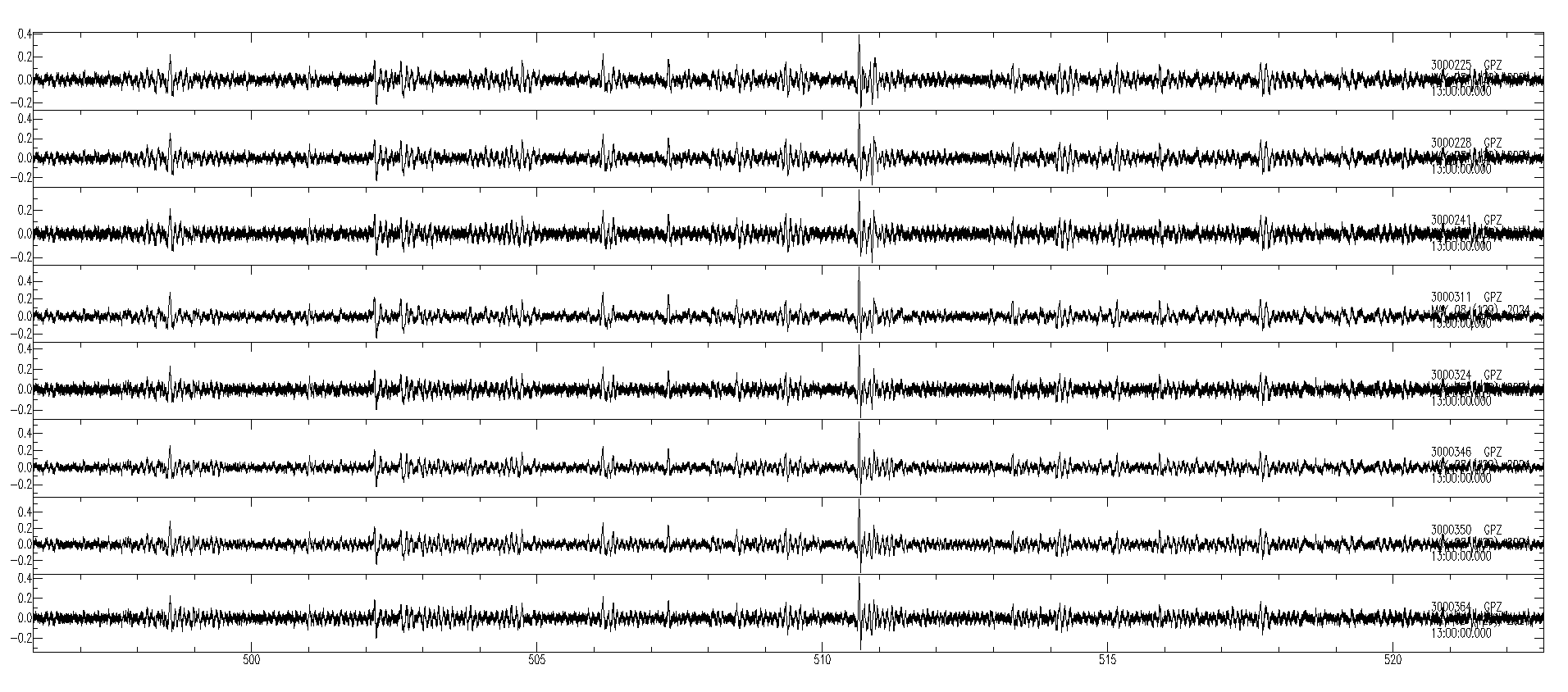
That distinction matters to me. The analysis can narrow down where to look and what to test, but a neat waveform or a focused source image does not settle the cause. Sensor geometry and the assumed wave speed also affect the location estimate.
The practical lesson was to keep the investigation connected: save the alarm, compare independent sensors, try plausible surface sources, and check the interpretation in the field. I would want that chain of evidence before turning an unusual signal into a diagnosis.
Basis of this note
Based on the May 2024 Shandong DAS disturbance-localization field report. This note describes the investigation method, without claiming a confirmed leak or disclosing site-specific source interpretations.